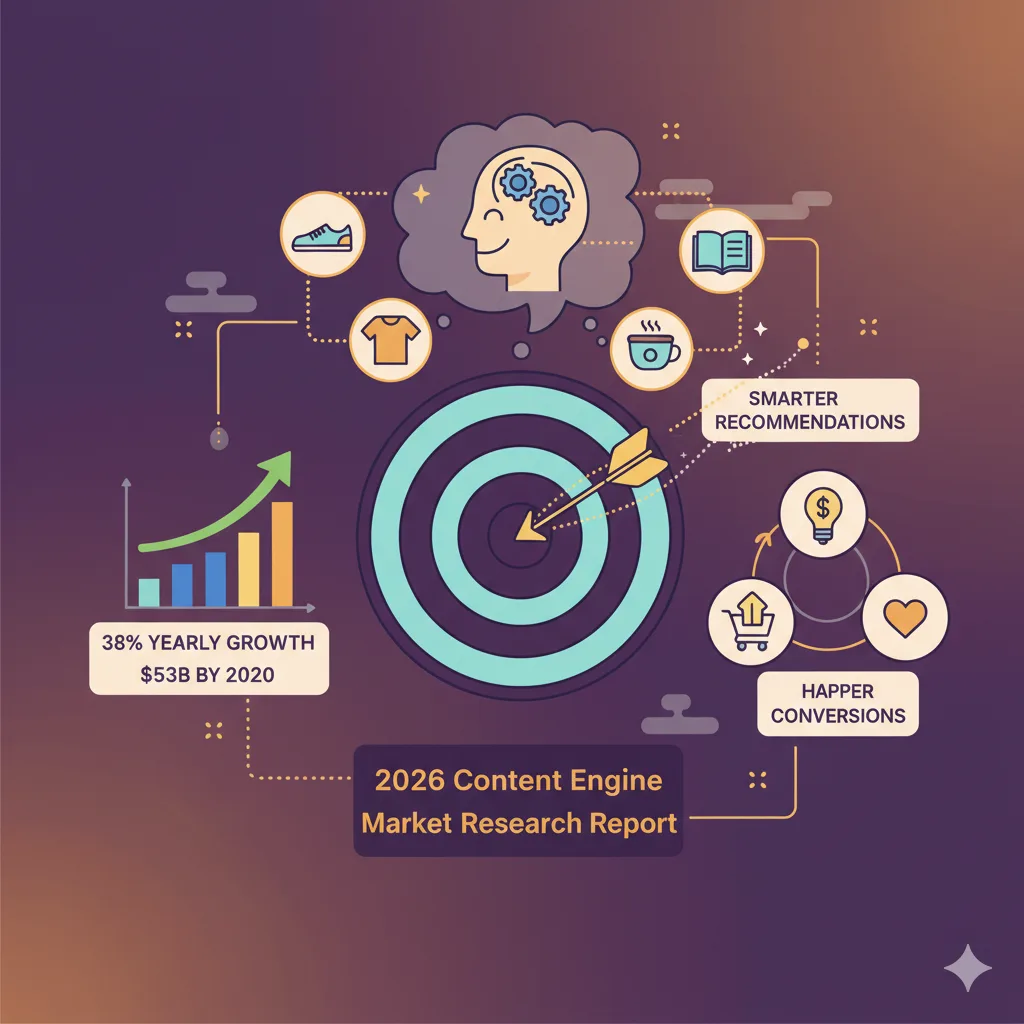
A new market report from Research and Markets puts a striking number on the table: the global content and product recommendation engine market is projected to reach $53.24 billion by 2030, up from $10.6 billion today. That's a compound annual growth rate most industries would envy.
But behind that headline figure is a more important question for e-commerce merchants: why is this happening, and what does it mean for your store?
Why the Recommendation Engine Market Is Growing So Fast
Analysts point to three converging forces driving this expansion:
- Shoppers have permanently raised their expectations: Generic storefronts are being tuned out. Consumers, conditioned by years of Netflix queues and Amazon homepages, now expect the products shown to them to feel relevant to them, not to everyone. When that bar isn't met, they bounce.
- AI has democratized what used to be enterprise-only technology: Machine learning recommendation systems once required data science teams and seven-figure budgets. That's no longer true. The infrastructure that powers personalization at scale is now accessible to independent merchants and mid-market brands, and the market is growing because adoption is broadening, not just deepening.
- E-commerce is one of the primary engines behind this growth: The report specifically calls out e-commerce as a key demand driver. This isn't a coincidence. Online retail has the data density, the session frequency, and the direct revenue correlation that makes recommendation engines one of the highest-ROI investments a merchant can make.
What This Means in Practice
As a company, we've been building product recommendation infrastructure for Shopify and BigCommerce merchants since before personalization became a marketing buzzword. Here's what we've observed that the market report numbers don't capture:
- The gap between knowing and doing is still huge. Many merchants are aware that personalization matters. Far fewer have actually implemented it in a way that's generating measurable lift. The market growth figures reflect investment in technology, but investment alone doesn't convert. Implementation quality does.
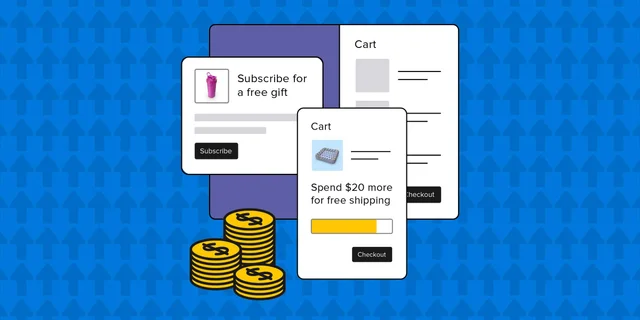
- Recommendation placement matters as much as recommendation logic. A common mistake we see: merchants install a recommendation engine, drop a widget at the bottom of the product page, and wonder why it's not moving the needle. The stores seeing the strongest results from LimeSpot (whether on Shopify or BigCommerce) are the ones treating recommendation placement across homepage, cart, post-purchase, and email as a deliberate strategy, not an afterthought.
- Small and mid-market stores can win disproportionately here. Enterprise retailers have had sophisticated recommendation systems for years. What the market report signals is that the technology gap between an independent Shopify or BigCommerce store and a large retailer is closing faster than most people realize. For merchants willing to act now, this is a genuine competitive window before personalization becomes table stakes.
Three Benchmarks Worth Knowing
Based on aggregated data from merchants using LimeSpot across Shopify and BigCommerce:
- Product recommendations routinely account for 10–30% of total revenue for stores that implement them strategically
- Cart and post-purchase recommendations typically deliver the highest AOV lift of any placement type
- Merchants who personalize across more than one touchpoint (product page + homepage, or product page + email) see compounding returns (each channel reinforces the others)
These aren't projections. They're patterns we see repeatedly across categories from apparel to home goods to subscriptions, on both platforms.
The Competitive Reality
The $53.24 billion forecast is a signal that your competitors are paying attention to this. Brands that treat product discovery as a passive feature are increasingly at a disadvantage against those treating it as an active revenue lever.
The market is moving. The technology is accessible. The question is whether you're capturing that opportunity or leaving it on the table.
If you want to see what personalization looks like specifically for your store, including where the highest-impact placement opportunities are, install LimeSpot Personalizer.