Your customers are ready to buy more from you. The question is: are you making it easy for them?
Most ecommerce stores leave money on the table by treating each purchase as a single transaction. Smart retailers understand that the moment someone decides to buy is the perfect time to suggest additional products that enhance their purchase.
This guide shows you how to implement cross-sell and upsell strategies that can increase your average order value by 40% or more. You'll learn the psychology behind effective recommendations, optimal timing and placement strategies, and how to use smart product recommendation tools to automate the process.
Understanding Cross-Selling vs Upselling
Before diving into strategies, let's clarify the difference between cross-selling and upselling. These terms often get mixed up, but each serves a distinct purpose in your revenue strategy.
Cross-selling involves suggesting complementary products that work well with what the customer is already buying. Think of a customer purchasing a laptop who might also need a mouse, laptop bag, or extended warranty.
Upselling means encouraging customers to buy a higher-value version of the product they're considering. This could be a premium model with more features, a larger size, or a bundle that includes additional items.
Both strategies work because they tap into existing purchase intent. When someone is already in buying mode, they're more receptive to additional suggestions that make sense for their needs.
The key difference lies in the approach. Cross-selling expands the purchase horizontally by adding related items. Upselling moves the purchase vertically by increasing the value of the primary item.
The Psychology Behind Effective Product Recommendations
Understanding customer psychology is essential for creating product recommendation strategies that feel helpful rather than pushy. Several psychological principles drive successful cross-selling and upselling.
The Principle of Reciprocity
When you provide genuine value through helpful recommendations, customers feel inclined to reciprocate by making additional purchases. This works best when your suggestions solve real problems or enhance the customer's experience.
Social Proof and Authority
Showing what other customers bought together or highlighting popular combinations creates social proof. Phrases like "Customers who bought this also purchased" or "Frequently bought together" tap into our natural tendency to follow what others do.
The Decoy Effect
Presenting three options where the middle choice makes the premium option look like better value is a classic pricing psychology technique. This works particularly well for upselling premium versions of products.
Loss Aversion
People hate missing out on good deals. Limited-time offers or showing how much customers save with bundles can trigger this psychological response and drive additional purchases.
Strategic Timing for Maximum Impact
Timing your cross-sell and upsell offers correctly can make the difference between a successful recommendation and an annoying interruption. Different stages of the customer journey require different approaches.
Pre-Purchase Timing
The product page is your first opportunity to suggest related items. At this stage, customers are researching and comparing options. Your recommendations should focus on helping them make better decisions.
Display complementary products that enhance the main item's functionality. For a camera, show compatible lenses, memory cards, or tripods. Keep these suggestions subtle and relevant to avoid overwhelming the customer.
During Checkout
The checkout process presents a prime opportunity for strategic recommendations. Customers have already committed to buying, making them more receptive to additional suggestions.
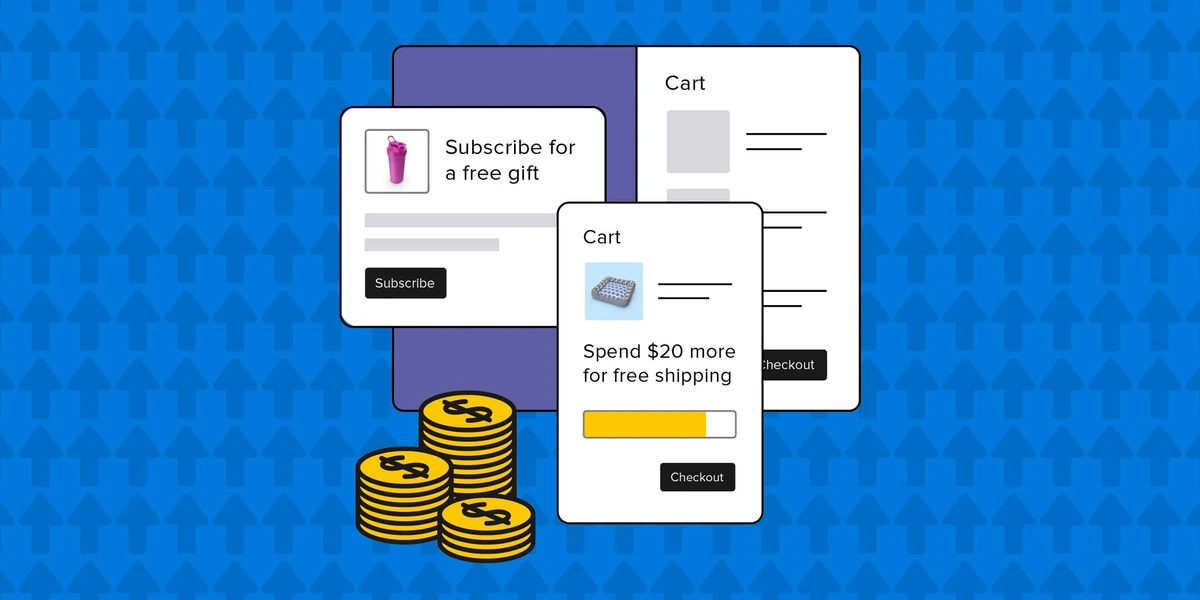
However, be careful not to complicate the checkout process. Simple add-ons that don't require additional decisions work best here. Think digital products, warranties, or small accessories that complement the main purchase.
Post-Purchase Opportunities
After completing a purchase, customers often experience buyer's remorse or second-guess their decisions. This is an excellent time for reassurance through complementary product suggestions.
Email campaigns featuring products that work well with recent purchases can drive repeat sales. The key is timing these messages appropriately - not too soon after the purchase, but while the product is still top of mind.
Placement Optimization Techniques
Where you place your cross-sell and upsell offers significantly impacts their effectiveness. Different locations serve different purposes and should be optimized accordingly.
Product Page Recommendations
Product pages should feature recommendations that help customers make informed decisions. Place related products below the main product description, where customers naturally look for additional information.
Use clear headings like "Complete Your Setup" or "You Might Also Like" to set expectations. Ensure recommended products are visually distinct but don't compete with the main product for attention.
Shopping Cart Optimization
The shopping cart page offers excellent opportunities for last-minute additions. Customers reviewing their purchases are in a decision-making mindset and open to relevant suggestions.
Display frequently bought together items or show what other customers added to similar orders. Keep these recommendations compact and easy to add with a single click.
Checkout Page Strategy
Checkout pages require a delicate balance. You want to suggest additional items without creating friction that might cause cart abandonment. Focus on low-commitment additions like digital products, extended warranties, or small accessories. Use clear pricing and make it easy to decline the offer without feeling pressured.
AI-Powered Recommendation Strategies
Modern ecommerce platforms can use artificial intelligence to deliver personalized recommendations that adapt to individual customer behavior. This approach significantly outperforms generic product suggestions.
Behavioral Targeting
AI systems analyze customer browsing patterns, purchase history, and interaction data to predict what products they're most likely to buy next. This creates highly relevant recommendations that feel personalized rather than random.
For example, if a customer frequently buys organic products, the system can prioritize organic options in cross-sell suggestions, even for different product categories.
Dynamic Personalization
Advanced recommendation engines adjust suggestions in real-time based on current session behavior. If someone spends time looking at premium products, the system can emphasize higher-value recommendations.
This dynamic approach ensures recommendations stay relevant as customer intent evolves during their shopping session.
Collaborative Filtering
This technique identifies customers with similar preferences and suggests products that similar customers have purchased. It's particularly effective for discovering unexpected product combinations that work well together.
Tools like LimeSpot use machine learning algorithms to identify these patterns automatically, creating recommendation strategies that improve over time as they gather more customer data.
Cross-Selling Best Practices
Effective cross-selling requires understanding your customers' needs and presenting relevant solutions at the right moments. Here are proven strategies that drive results.
Focus on Complementary Value
The best cross-sell suggestions solve problems or enhance the primary purchase. Instead of randomly suggesting popular products, think about what customers actually need to get the most value from their purchase.
A customer buying a smartphone might need a screen protector, charging cable, or wireless headphones. These suggestions feel helpful rather than sales-focused because they address real needs.
Use Bundle Pricing Strategically
Product bundles can increase average order value while providing genuine savings to customers. Create bundles that make logical sense and offer meaningful discounts compared to buying items separately.
Display the savings prominently to help customers understand the value proposition. "Save $25 when you buy these together" is more compelling than just showing the bundle price.
Implement Progressive Disclosure
Don't overwhelm customers with too many options at once. Start with the most relevant suggestions and reveal additional options as customers show interest.
This approach prevents decision paralysis while still providing comprehensive recommendations for customers who want to explore more options.
Leverage User-Generated Content
Customer reviews and photos showing products used together can be powerful cross-selling tools. When customers see real people using complementary products, it validates the recommendation and builds confidence.
Feature customer photos that show product combinations in use, or highlight reviews that mention using products together successfully.
Ecommerce Upselling Techniques That Convert
Upselling requires a different approach than cross-selling because you're asking customers to spend more on their primary purchase rather than adding supplementary items.
Highlight Value Differences
When presenting upgrade options, clearly communicate what additional value customers receive for the higher price. Don't just list features - explain how those features benefit the customer.
Instead of saying "Premium version includes 256GB storage," say "Premium version includes 256GB storage - enough space for 50,000 photos and hundreds of apps without worrying about running out of room."
Use Comparison Tables
Visual comparisons make it easy for customers to understand the differences between product tiers. Highlight the most popular option to guide decision-making without being pushy.
Include a "Most Popular" badge or similar indicator to provide social proof while letting customers make their own choice.
Offer Limited-Time Upgrades
Creating urgency around upgrade offers can motivate customers to choose higher-value options. "Upgrade to premium for just $20 more - today only" taps into loss aversion psychology.
Ensure these offers are genuine and provide real value. False urgency tactics can damage customer trust and hurt long-term relationships.
Provide Upgrade Paths
Not every customer is ready for the premium option immediately. Offer clear paths for customers to upgrade later, either through your website or customer service.
This approach reduces pressure during the initial purchase while keeping the door open for future upselling opportunities.
Measuring and Optimizing Your Results
Successful cross-sell and upsell strategies require continuous measurement and optimization. Track the right metrics to understand what's working and where you can improve.
Key Performance Indicators
Average Order Value (AOV) is the primary metric for measuring success, but don't stop there. Track attachment rates for specific product combinations, conversion rates for different recommendation placements, and customer lifetime value changes.
Monitor how recommendations affect overall customer satisfaction through reviews and return rates. Successful strategies should improve both revenue and customer experience.
A/B Testing Recommendations
Test different recommendation algorithms, placement locations, and presentation styles to find what works best for your audience. Small changes in wording or visual design can significantly impact performance.
Test one element at a time to isolate what's driving improvements. This might mean testing recommendation placement separately from the products being recommended. Use A/B testing and analytics tools to measure the impact of each change accurately.
Seasonal Optimization
Customer behavior changes throughout the year, and your recommendation strategies should adapt accordingly. Holiday shoppers might be more receptive to gift bundles, while back-to-school seasons favor practical combinations.
Review performance data by season and adjust your strategies to match changing customer needs and shopping patterns.
Personalization Performance
If you're using AI-powered recommendations, monitor how personalization affects different customer segments. Some customers respond better to popular items, while others prefer unique suggestions based on their specific behavior.
Use this data to refine your personalization algorithms and ensure they're delivering value for all customer types.
Common Mistakes to Avoid
Even well-intentioned cross-sell and upsell strategies can backfire if not implemented carefully. Here are common pitfalls to avoid.
Over-Aggressive Recommendations
Bombarding customers with too many suggestions can overwhelm them and hurt the shopping experience. Focus on quality over quantity - a few highly relevant recommendations outperform many random suggestions.
Respect customer decisions when they decline offers. Repeatedly pushing the same products after customers have shown no interest can damage relationships.
Ignoring Mobile Experience
Mobile shoppers have different needs and constraints than desktop users. Ensure your recommendation displays work well on small screens and don't interfere with the mobile checkout process.
Test your recommendation placements on various devices to ensure they enhance rather than hinder the mobile shopping experience.
Generic Product Suggestions
Showing the same recommendations to every customer ignores individual preferences and shopping patterns. Even basic segmentation based on purchase history or browsing behavior can significantly improve relevance.
Invest in tools that enable personalized recommendations rather than relying on static "customers also bought" lists that don't adapt to individual needs.
Neglecting Customer Feedback
Pay attention to customer complaints about recommendations. If people frequently mention irrelevant suggestions or pushy sales tactics in reviews, adjust your approach accordingly.
Use customer service interactions as opportunities to understand how recommendations are perceived and where improvements are needed.
FAQs
What's the difference between cross-selling and upselling in ecommerce?
Cross-selling involves suggesting complementary products that work well with the customer's current purchase, like recommending a phone case for someone buying a smartphone. Upselling encourages customers to choose a higher-value version of the product they're considering, such as upgrading from a basic to premium model. Both strategies increase average order value but through different approaches.
How much can cross-sell and upsell strategies increase average order value?
Well-implemented cross-sell and upsell strategies can increase average order value by 20-40% or more. The exact increase depends on your product mix, customer base, and implementation quality. Some businesses see even higher increases, particularly when using personalized AI-powered recommendations that adapt to individual customer behavior.
When is the best time to present cross-sell and upsell offers?
The most effective timing varies by strategy. Product pages work well for educational cross-sells that help customers make better decisions. Checkout pages are ideal for simple add-ons that don't complicate the purchase process. Post-purchase emails can drive repeat sales with complementary products. The key is matching the offer complexity to the customer's decision-making state.
How do I avoid being too pushy with product recommendations?
Focus on providing genuine value rather than just increasing sales. Ensure recommendations solve real problems or enhance the customer's purchase. Use clear, helpful language like "Complete your setup" rather than aggressive sales copy. Respect customer decisions when they decline offers, and don't repeatedly push the same products they've already rejected.
What role does AI play in modern cross-sell and upsell strategies?
AI enables personalized recommendations that adapt to individual customer behavior, preferences, and purchase history. This creates more relevant suggestions that feel helpful rather than random. AI systems can analyze patterns across thousands of customers to identify unexpected product combinations that work well together, and they improve over time as they gather more data about customer preferences.
How do I measure the success of my cross-sell and upsell efforts?
Track average order value as your primary metric, but also monitor attachment rates for specific product combinations, conversion rates for different recommendation placements, and customer lifetime value changes. Use A/B testing to optimize different elements of your strategy, and pay attention to customer feedback to ensure recommendations enhance rather than hurt the shopping experience.
Can small ecommerce businesses implement effective cross-sell and upsell strategies?
Yes, small businesses can implement effective strategies using available ecommerce platforms and tools. Start with simple approaches like manually curated product bundles and "frequently bought together" suggestions. As you grow, invest in more sophisticated tools like LimeSpot that provide AI-powered personalization without requiring technical expertise. Focus on understanding your customers' needs and providing genuine value through relevant recommendations.
Cross-sell and upsell strategies represent one of the most effective ways to increase revenue from your existing customer base. By understanding customer psychology, optimizing timing and placement, and using smart recommendation tools, you can create experiences that benefit both your customers and your bottom line.
Start with simple implementations and gradually add more sophisticated personalization as you learn what works for your audience. Remember that the best recommendations feel helpful rather than sales-focused, solving real customer problems while driving business growth.