If you’re running multiple storefronts on BigCommerce, you already know the challenge: every brand, region, or customer segment has its own needs. Multi-Storefront (MSF) was built to manage that complexity from a single backend. But personalization technology hasn’t always kept pace — until now.
Earlier this year, LimeSpot became the first personalization technology approved as an MSF-compatible offering on the BigCommerce App Store. That’s not just a badge. It changes what’s possible for enterprise merchants who need each storefront to perform independently, without building personalization from scratch every single time.
What Is BigCommerce Multi-Storefront?
BigCommerce Multi-Storefront lets merchants manage multiple storefronts — different brands, regions, or customer segments — from a single backend. It’s BigCommerce’s answer to Shopify Plus’s equivalent multi-storefront functionality, and it’s increasingly a requirement for enterprise retailers evaluating ecommerce platforms.
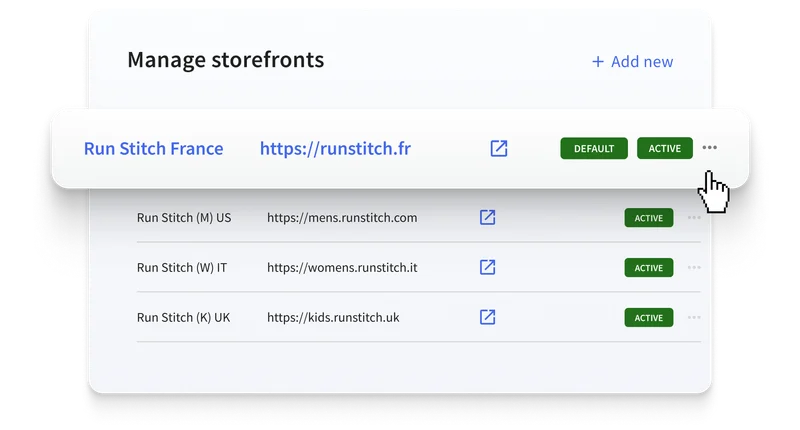
The promise is one catalog, one backend, but storefronts tailored to different markets or brand identities. The challenge is that most third-party apps weren’t built with this architecture in mind — and personalization tools are no exception.
Why Personalization Breaks Down Across Multiple Storefronts
AI-powered product recommendations depend on layered logic: browsing behavior, purchase history, merchandising rules, inventory availability. Without MSF compatibility, that logic can’t operate independently per storefront. Merchants end up manually rebuilding recommendation strategies for every new storefront, and even then, there’s no clean way to run separate A/B tests or measure performance independently across them.
For enterprise merchants running five, ten, or more storefronts, this is a major inconvenience — and a real constraint on how fast the business can grow or optimize.
What LimeSpot + BigCommerce MSF Compatibility Means for Merchants
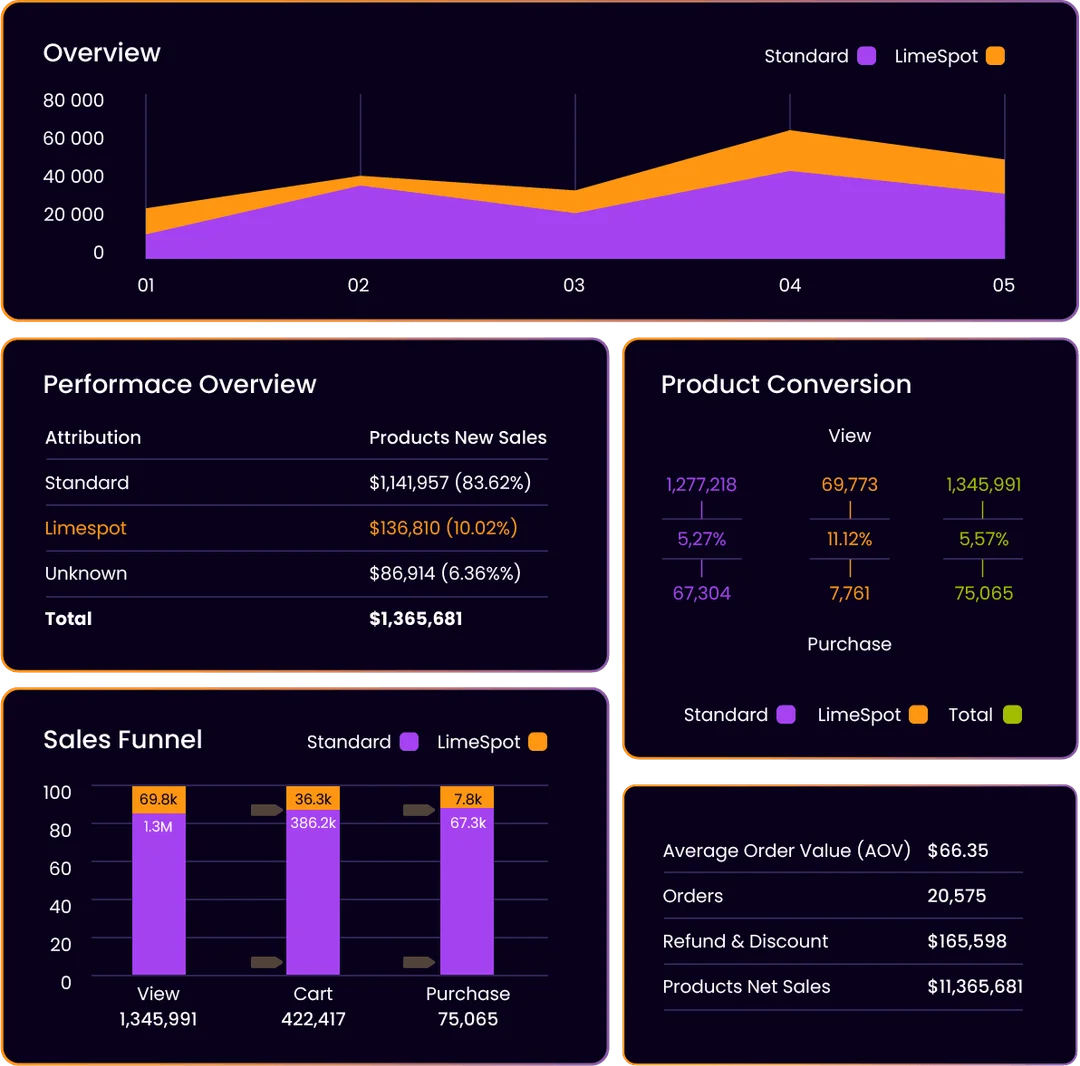
With LimeSpot powering your BigCommerce multi-storefront, each store is treated as its own independent environment, with its own personalization strategy, A/B testing, and performance analytics, while staying automatically synchronized with the master catalog in BigCommerce.
When a catalog update happens in BigCommerce, LimeSpot distributes it to the right storefronts automatically. From there, each store runs its own localized personalization strategy independently, so merchants can measure performance, test recommendations, and optimize separately across every storefront.
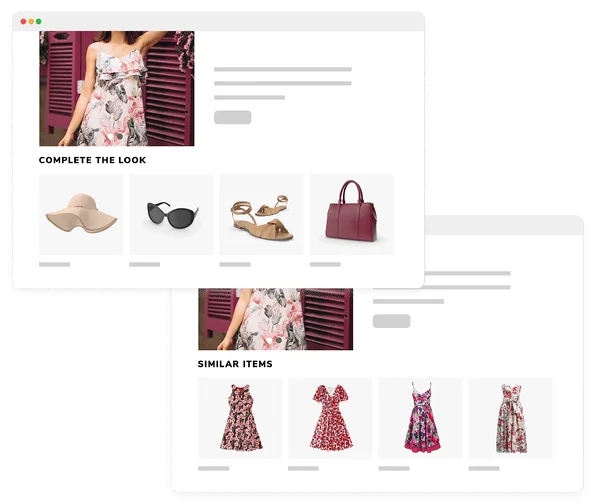
In practice, that looks like:
- Independent personalization per storefront — each brand, region, or storefront runs its own strategy, A/B tests, and analytics without interfering with the others.
- Automatic catalog sync — LimeSpot picks up catalog updates from BigCommerce and distributes them to the correct storefronts, keeping everything consistent without manual intervention.
- Faster storefront launches — new storefronts inherit LimeSpot’s infrastructure without starting personalization from scratch.
- Less operational overhead — merchandising and ecommerce teams no longer need to manually duplicate work across storefronts.
- Dedicated support staff — LimeSpot’s CSM team can replicate configurations across storefronts on your behalf, handling the heavy lifting so your team doesn’t have to.
This matters most for merchants in multi-brand portfolios, international retailers managing region-specific storefronts, and B2B/B2C hybrid businesses running separate experiences from one backend.
See how BigCommerce merchants like BeautifiedYou and Wendell August Forge are already driving results with LimeSpot.
Personalization Shouldn’t Be the Thing That Holds Your Multi-Storefront Strategy Back
As more enterprise retailers adopt Multi-Storefront, the technology partners that support it well will increasingly define what the platform can do. Being first to offer MSF-compatible personalization gives LimeSpot — and the merchants we work with — a head start on an architecture that’s quickly becoming table stakes for enterprise BigCommerce stores.
For merchants currently evaluating BigCommerce against Shopify Plus, MSF support — and the depth of app compatibility behind it — is increasingly part of that decision.
Multi-Storefront Equals Flexibility Without Operational Overhead
The core promise of Multi-Storefront is flexibility without operational overhead. LimeSpot extends that same promise to personalization: each storefront gets its own AI-driven strategy, its own analytics, and its own optimization path — without requiring your team to build or manage each one manually.
If you’re running — or planning — a multi-storefront strategy on BigCommerce, this is worth a closer look.